
As the crisis in the region enters its second month, destabilising worldwide energy markets and driving oil prices to record highs, China has emerged as an unlikely peacemaker in the intensifying conflict. President Xi Jinping’s government has partnered with Pakistan to present a five-part peace proposal designed to establishing a truce and reopening the strategically vital Strait of Hormuz, which has been blockaded amid the US-Israel military campaign against Iran. The move constitutes a significant diplomatic shift for Beijing, whose first reaction to the war had been notably restrained. The intervention occurs as Donald Trump suggests American military action could be completed within two to three weeks, yet provides no clear blueprint of what resolution or consequences might follow. China’s calculated gambit demonstrates both an opportunity to shape regional diplomatic efforts and a tactical response to US power ahead of crucial trade negotiations between Xi and Trump next month.
Why China Is Getting Involved
Beijing’s move to mediate the regional tensions reflects a calculated pivot from its earlier restrained diplomatic posture. Pakistan’s foreign minister journeyed to the capital of China to obtain assistance for peace negotiations, and the effort has succeeded. China’s Foreign Ministry then backed the joint peace initiative, emphasising that “dialogue and diplomacy” remain “the only practical solution to resolve conflicts”. This change demonstrates Beijing’s understanding that prolonged instability jeopardises its economic wellbeing, notably since worldwide energy supply shocks could reverberate through international supply chains and undermine China’s export-dependent recovery strategy.
Whilst crude oil supplies dominate discussions of Middle Eastern conflict, China’s objectives goes further than energy security. As the world’s largest crude importer, Beijing maintains sufficient strategic reserves to weather near-term disruptions. Rather, the fundamental concern is economic stability. Matt Pottinger, Chairman of the Foundation for Defense of Democracy’s China Program, notes that global economic slowdown resulting from energy shocks would directly harm Chinese manufacturing and export sectors. With China’s domestic economy struggling, Xi Jinping requires a stable international environment to maintain the growth dependent on exports vital to domestic recovery and preserving political legitimacy.
- China holds petroleum stockpiles sufficient for several months of disrupted supply
- International economic contraction from energy shocks threatens the competitiveness of Chinese exports
- Stable global conditions vital for restoring China’s faltering home economy
- Peace effort occurs ahead of key Xi-Trump negotiations set for next month
Commercial Considerations Fuelling International Relations
China’s involvement in Middle Eastern peace discussions cannot be divorced from Beijing’s overarching financial goals. The conflict could destabilise global markets at a notably fragile moment for the economy of China, which is grappling with sluggish domestic demand and eroding consumer confidence. Xi Jinping’s leadership has established economic revitalisation as a paramount priority, relying heavily on global commerce to offset home market weakness. Any prolonged disruption to worldwide commerce—whether through market volatility, logistical disruptions, or wider market instability—directly undermines Beijing’s recovery approach and threatens to intensify home economic challenges that could threaten political stability.
Beyond current energy concerns, China recognises that ongoing Middle Eastern tensions would transform international geopolitical dynamics in ways detrimental to China’s strategic interests. A extended military conflict could enhance US military presence in the region, enhance US-Israel coordination, and potentially isolate China from crucial trading partners. By presenting itself as a impartial intermediary rather than a partisan player, Beijing aims to preserve strategic flexibility and illustrate to regional stakeholders that China offers an alternative to Washington-led security arrangements. This strategy enables Xi to exercise soft power whilst simultaneously protecting China’s commercial networks and investment assets across the Middle East.
The Distribution Chain Risk
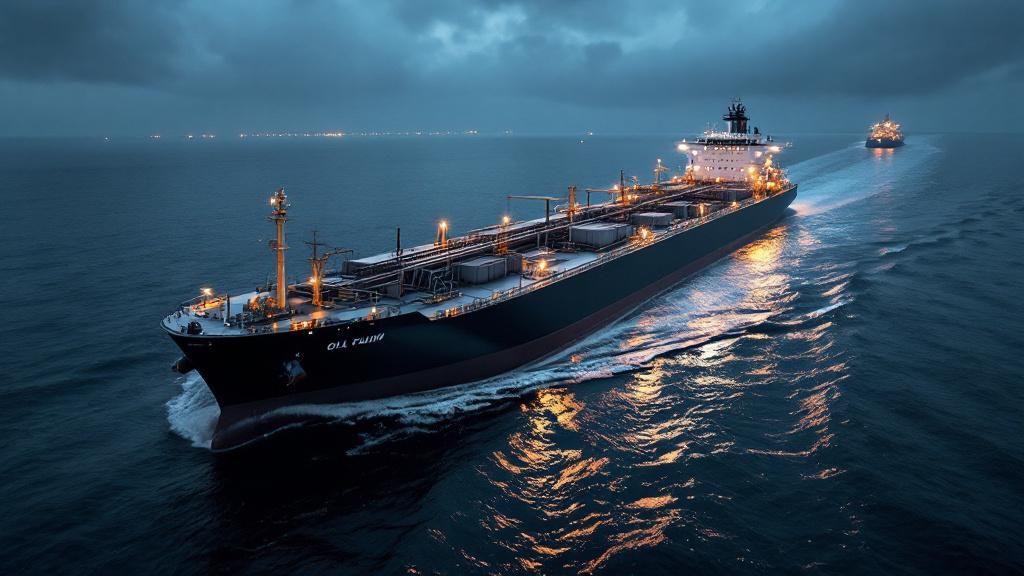
The Strait of Hormuz, through which approximately one-third of worldwide maritime crude oil flows, represents a critical chokepoint for international commerce. Interruptions in this vital waterway would spread across international supply systems, impacting not merely petroleum markets but the delivery of manufactured goods, raw materials, and components essential to modern economies. China, as the world’s largest exporter of completed items and a country reliant upon shipping lanes, confronts significant exposure to these interruptions. Closures or military confrontations in the strait could postpone cargo movements, elevate premium rates, and produce volatile trading environments that compromise China’s exporters’ competitiveness in global marketplaces.
The economic effects of strait closure would be notably acute for Chinese manufacturing sectors reliant on just-in-time production systems. Car makers, tech manufacturers, and chemical firms operating across Asia require predictable supply chains and consistent freight rates. Armed conflict in the Persian Gulf would create instability that manufacturers cannot absorb without substantial cost rises or output delays. By championing the reopening and protection of sea lanes, Beijing presents itself as a protector of global trade interests whilst simultaneously shielding its own industrial base from external disruptions that could trigger manufacturing closures and job losses.
Growing Business Footprint
China’s commercial presence across the Middle East goes well beyond oil imports. Chinese companies have poured billions in regional development initiatives, port development, and energy facilities under the Belt and Road Initiative. These investments constitute sustained business engagements that necessitate political stability to deliver financial gains. Conflict risks disrupting current development work, impede income streams from established projects, and discourage further capital deployment in the region. By facilitating peace negotiations, Beijing shields its invested funds and maintains momentum for growing its economic presence throughout the Middle East, establishing China as an indispensable economic partner for regional development.
The diplomatic manoeuvre also serves to deepen China’s connections with regional governments and non-state actors who progressively regard Beijing as a trustworthy commercial partner. Unlike Washington, which links financial support to political conditions and strategic partnerships, China has built relationships centred around economic reciprocity. A successful peace effort would strengthen Beijing’s reputation as a practical player willing to commit diplomatic resources in regional stability. This enhanced standing yields commercial advantages, favourable terms for Chinese companies competing for development projects, and greater integration of economies in the Middle East into China’s economic partnerships.
A Proven Track Record of Regional Mediation
China’s rise as a peace broker in the Middle East does not occur in a vacuum. Beijing has spent the past decade cultivating diplomatic relationships across the region, establishing itself as a impartial player willing to engage with governments and non-state actors alike. This approach differs markedly from Western diplomacy, which often prioritises security partnerships and ideological alignment. China’s readiness to sustain engagement with Iran, Saudi Arabia, and other regional actors simultaneously has established Beijing as a credible intermediary. The present peace effort builds upon foundations laid through years of patient diplomacy and economic engagement, indicating that China’s involvement holds significance beyond simple symbolic acts or strategic opportunism.
| Initiative | Year | Outcome |
|---|---|---|
| Iran-Saudi Arabia Diplomatic Agreement | 2023 | Restored diplomatic relations after seven-year rupture; established foundation for regional dialogue |
| Afghanistan Reconstruction Dialogue | 2021-2024 | Convened multiple rounds of talks involving regional stakeholders and Taliban representatives |
| Palestine-Israel Humanitarian Discussions | 2022-2024 | Facilitated humanitarian corridors and cross-border negotiations on civilian welfare |
These examples show that China has both the diplomatic machinery and demonstrated capability to handle intricate disputes in the Middle East. Beijing’s successful mediation of the Iran-Saudi Arabia agreement in 2023 especially bolstered its credentials as a credible mediator. That success, accomplished via prolonged quiet diplomacy in Beijing, demonstrated that China was able to deliver success where Western powers struggled. The current five-point proposal with Pakistan consequently amounts to not an unproven experiment but rather an extension of China’s established diplomatic methods in the region.
Constraints and Credibility Challenges
Despite China’s track record in diplomacy, major hurdles threaten to undermine its peacemaking efforts in the region. The core issue centres on Beijing’s historical alignment with Iran, which complicates its assertion of impartiality. Western nations, especially the United States, express doubt about China’s intentions, regarding the initiative as a calculated move rather than authentic peace efforts. Additionally, China’s own economic interests in stability across the region—especially regarding energy resources and trading opportunities—prompt concerns about whether Beijing can truly serve as an impartial mediator. These credibility concerns could obstruct talks and restrict the proposal’s uptake among the various stakeholders.
The timing of China’s involvement also presents challenges. Occurring merely weeks prior to crucial commercial talks between Xi Jinping and President Trump, the peace initiative risks being perceived as tactical positioning rather than principled diplomacy. Moreover, China lacks the military presence and security guarantees that traditional Western mediators can provide, thereby constraining its leverage over parties reluctant to compromise. Local stakeholders may question whether Beijing can ensure adherence or deliver security assurances necessary for lasting peace settlements. These structural limitations indicate that even China’s diplomatic expertise may fall short without broader international cooperation and support from all conflicting parties.
- China’s strong connections to Iran challenges its claim to impartiality in diplomatic talks
- Western concerns over Beijing’s intentions weakens international standing and goodwill
- Limited military deployment reduces China’s power to enforce peace settlements
- Financial incentives in stability may overshadow dedication to real dispute settlement
The Road Ahead: Outlook for Achievement
Whether China’s peace initiative will prove successful is unclear, yet early signs indicate a real dedication to ending the dispute. Beijing’s public support for Pakistan’s mediation efforts constitutes a major shift in diplomacy, signalling that Middle Eastern stability is currently prioritised for the Xi Jinping administration. The five-point proposal centred on ceasefire agreements and reopening the Hormuz Strait tackles immediate concerns affecting worldwide energy markets and financial stability. If negotiations progress, China might utilise its relationship with Iran whilst keeping communication channels open with the US, potentially creating scope for substantive diplomatic advances that neither Washington nor Tehran could achieve on their own.
However, success depends heavily on broader international cooperation and real determination from all parties to compromise. The inclusion of Pakistan, a established American ally, working with China points to a joint effort that could appeal to multiple stakeholders. Yet the central question remains: can economic inducements and political pressure overcome the entrenched ideological and security splits that have sustained this conflict? If China can maintain its credibility as an honest broker and if the United States considers the initiative as complementary rather than competitive, the weeks ahead could determine whether this deliberate gambit yields tangible results or merely another cycle of unsuccessful talks.
